
Chasing First Light Along Cornwall’s Edges
Seasonal Sun Paths in Cornwall
Cloud Types That Make Color

Tides, Swell, and Safety Checks
Where to Stand: Locations Worth Waking For
Godrevy and St Ives Bay
Godrevy Lighthouse anchors compositions when early summer sun brushes the horizon to the northeast. Low tide reveals ribbed sand and reflective films perfect for layered foregrounds, while moderate swell paints bright foam arcs around black rock teeth. National Trust parking eases access; seals sometimes nap on neighboring beaches, so keep distance and tread lightly. As gulls wheel through salmon light, try crouching low to catch mirror‑calm swashes between receding sets.
Kynance Cove at First Glow
Serpentine stacks rise like emerald‑veined sculptures, turning peach when the first rays skim the Atlantic. Access is easier around lower tides; incoming water can isolate you quickly on platforms, so plan an exit with diligence. Wet boulders make luminous anchors for wide lenses, while a mild long exposure smooths streaky swash without losing wave character. Arrive absurdly early; hearing the tide breathe around the islands focuses every decision.
Light Shaping: Filters, Lenses, and Field Techniques
Compositions That Sing
Practicalities Before the Alarm Rings
Packing Smart and Light
A compact kit travels farther over uneven ground. Choose a weather‑sealed wide zoom, a fast prime, and one sturdy tripod. Filters, blower, microfiber cloths, and spare batteries ride in accessible pockets. Add a small towel for spray, fingerless gloves for dials, and a trash bag to kneel on damp sand. The lighter you move, the safer your footing and the clearer your mind when the horizon suddenly catches fire.
Predawn Access and Wayfinding
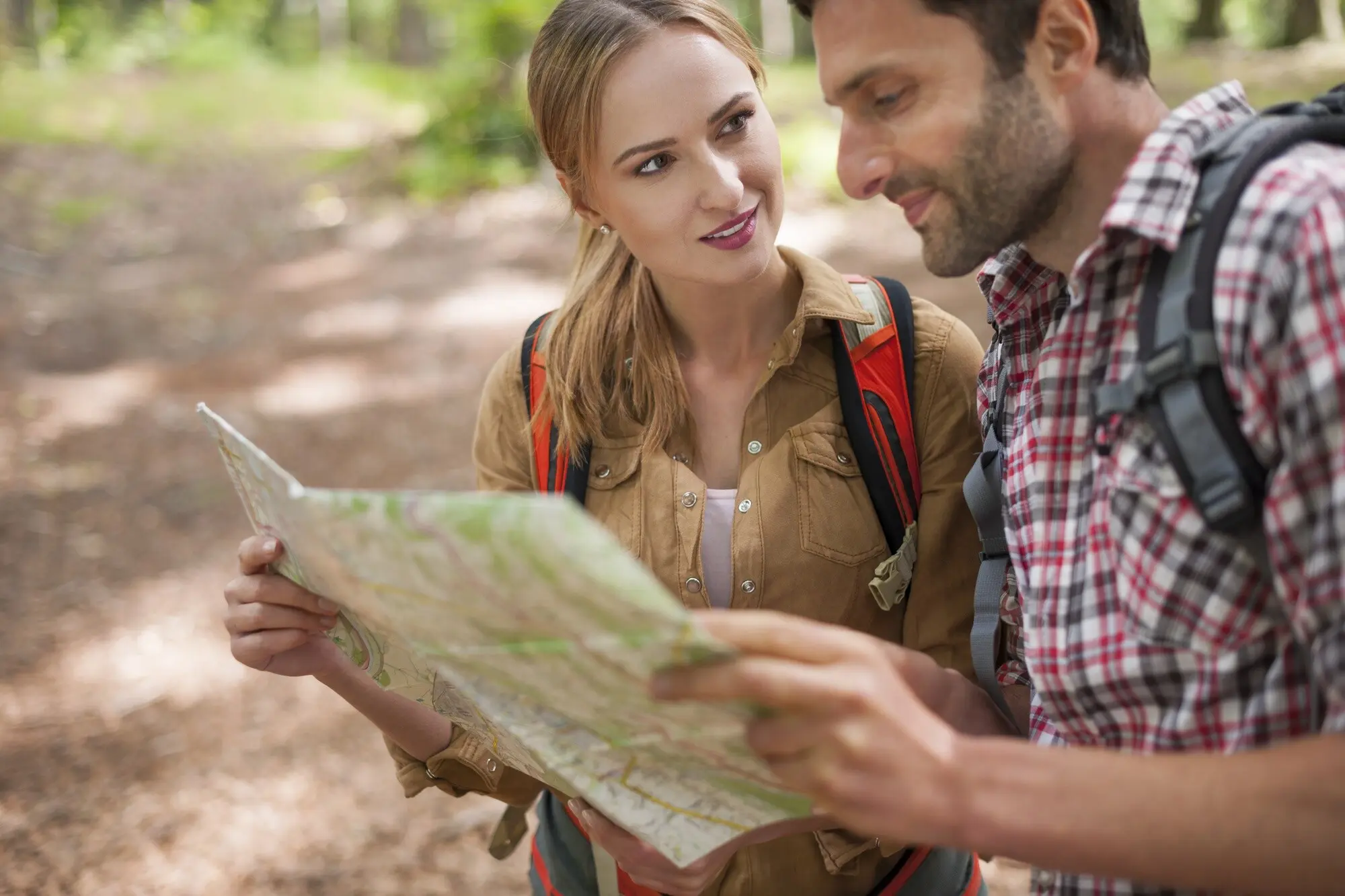
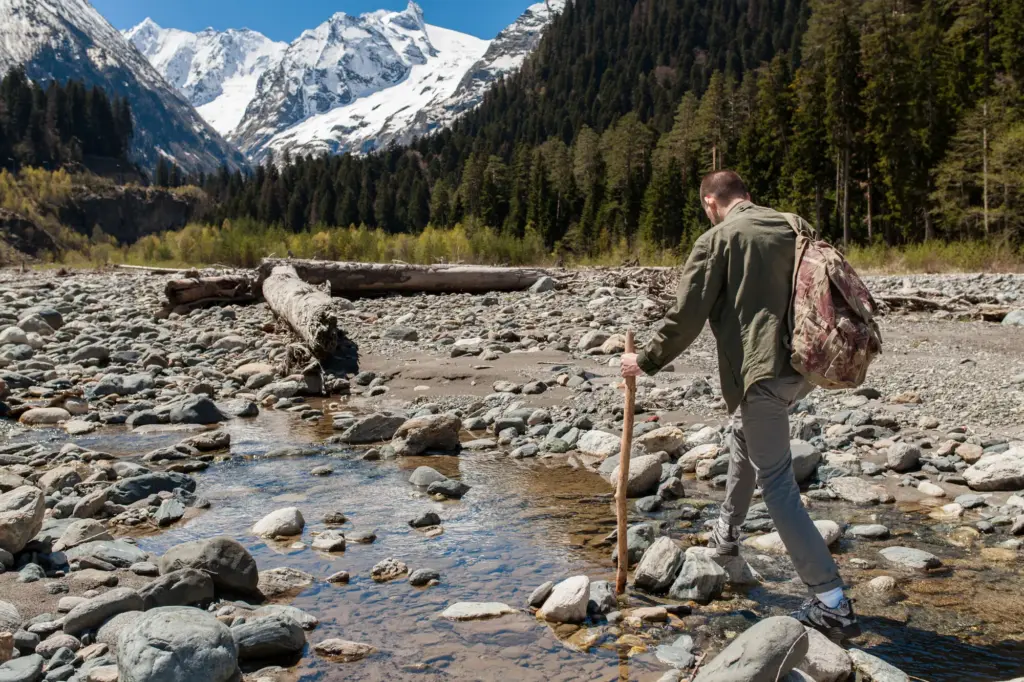
Arrive with routes committed to memory and pins saved offline. Mark alternative exits in case swell or fog blocks your plan. On cliffs, keep at least a body’s length from unstable edges and step deliberately; grass hides holes. In the dark, triangulate with headland silhouettes and lighthouse flashes, not just screens. If you’re alone, message someone your return time. Safety expands creative courage and keeps you returning for more mornings.
From Memory Card to Magic